
Wearing braces is a significant step toward achieving a healthier, straighter smile. However, the journey to that perfect smile requires a heightened commitment to oral hygiene. Braces create new challenges when it comes to keeping your mouth clean, as the brackets and wires provide more surfaces for plaque and food particles to accumulate. Without proper care, this can lead to tooth decay, gum disease, or even permanent stains on your teeth. That’s why maintaining excellent oral hygiene with braces is absolutely essential.
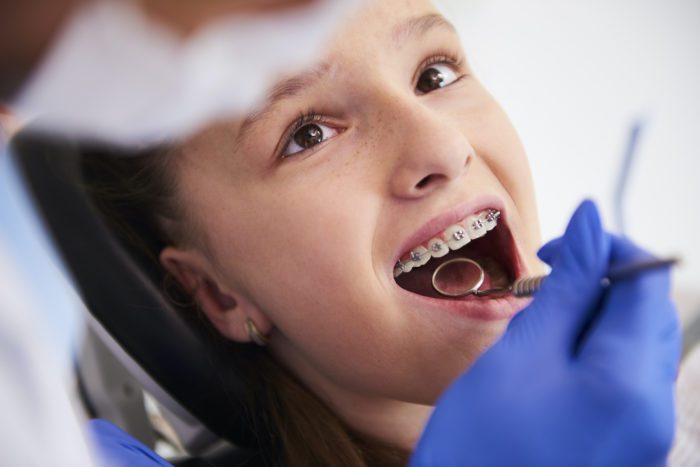
Understanding the Importance of Oral Hygiene During Orthodontic Treatment
Braces, while incredibly effective for correcting misaligned teeth and bite issues, can make cleaning your teeth more difficult. The brackets are bonded to the teeth and connected by wires. This makes it easy for food particles to get trapped and for plaque to form. Plaque is a sticky film of bacteria that feeds on sugars and produces acids that can erode enamel and irritate the gums.
When you’re wearing braces, your gums and teeth are more vulnerable. Gum inflammation (gingivitis), decalcification (white spots on the teeth), and cavities are some of the most common problems that can arise from poor oral hygiene during orthodontic treatment. Practicing diligent oral care helps prevent these issues and ensures that when the braces finally come off, your smile is not only straight but also clean and healthy.
Brushing With Braces
Brushing becomes more involved once braces are in place. You should aim to brush your teeth after every meal and snack to remove food debris that can easily get stuck around the brackets and wires. Use a soft-bristled toothbrush or an electric toothbrush to protect your gums and orthodontics. It’s important to angle the brush both above and below the brackets to thoroughly clean the gumline and around each brace.
Toothpaste with fluoride is essential, as it helps strengthen enamel and combat decay. Brush for at least two minutes, and make sure to pay attention to every surface of the teeth. If brushing after a meal isn’t possible, rinsing your mouth with water can help reduce the buildup of food particles and acids.
Flossing and Interdental Cleaning
Flossing with braces is more challenging, but it’s just as critical as brushing. You can still use traditional floss with the help of a floss threader, which allows you to guide the floss behind each wire. This process can be time-consuming. However, it is essential to remove plaque and food from between your teeth, where a toothbrush can’t reach.
Alternatively, orthodontic flossers and water flossers can make the process easier and more efficient. Water flossers, in particular, use a pressurized stream of water to clean between teeth and around braces. They offer a quick and effective solution for many people with orthodontic appliances.
Rinsing and Supplemental Care
Using an antimicrobial or fluoride mouthwash daily can offer an extra layer of protection against bacteria and decay. Mouthwash helps reach areas that brushing and flossing might miss, especially in and around the brackets. Use a fluoride rinse before bed to help reinforce tooth enamel.
Orthodontic wax can be used to protect the cheeks and gums from irritation caused by brackets and wires, but be sure to remove any wax before cleaning your teeth to maintain hygiene. Keeping up with regular orthodontic visits and dental checkups is also crucial, as your dentist and orthodontist can catch problems early and ensure your cleaning routine is working effectively.
Oral Hygiene Care in Timonium, MD
At Izadi Orthodontics, we are dedicated to helping you achieve a healthier smile. While braces can fix malocclusion, they can also make oral hygiene difficult during treatment. Contact our office today to schedule a consultation and learn more about how to care for your oral health during treatment.