A Personal Note From Dr. Izadi About Understanding TMJ & Facial Pain
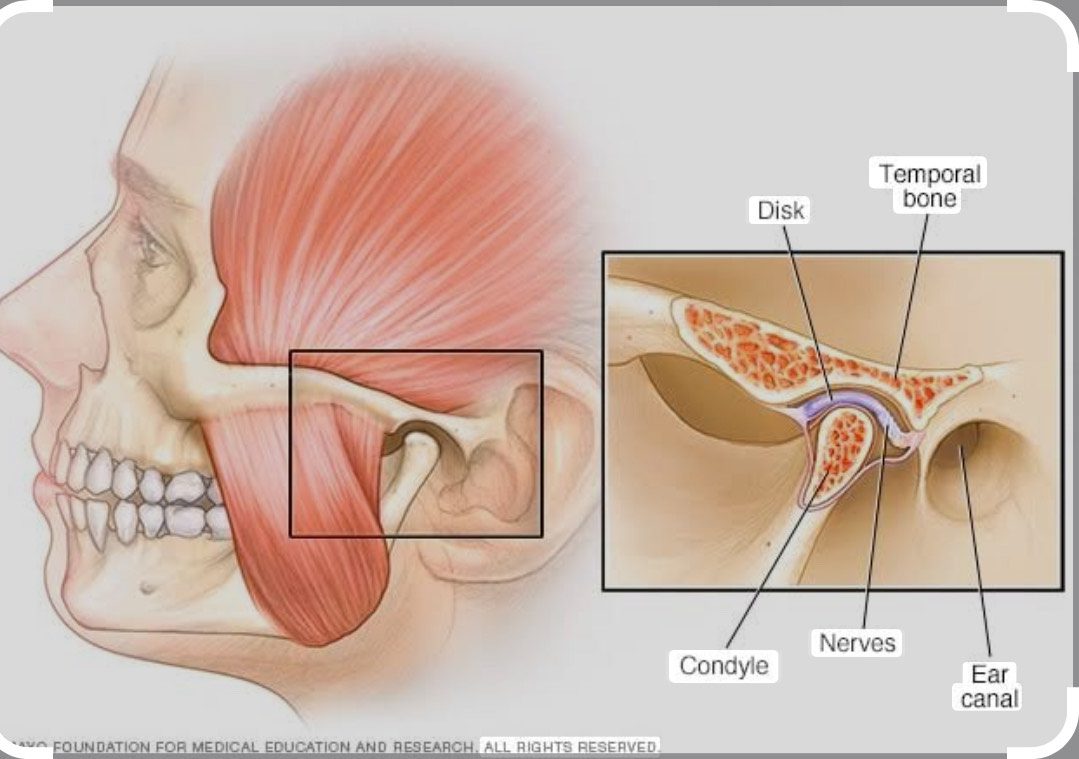
Many patients come to me worried that they have a serious joint problem because of jaw pain, clicking, or tightness. But here’s something important I want you to know: Most TMJ related (Temporo-Mandibular Joint) pain also known as TMD (Temporo-Mandibular Disorders), isn’t caused by the joint itself — it’s caused by the muscles around it.
In fact, the majority of facial pain I see in my practice is due to muscle spasms from clenching and grinding, often triggered by stress, poor posture, or even sleep habits. In some cases Lyme’s disease must be ruled out as well.
Our Timonum, MD Orthodontist’s office can help treat the causes of TMJ-related pain.
Before jumping into complex or invasive treatments, we always start with the basics if Dr. Izadi strongly thinks it may solve the issue. These basic treatments include:
- Custom night guards to protect your teeth and relax your jaw.
- Targeted jaw and facial muscle exercises
- Stress management techniques
- Simple daily adjustments like avoiding gum or hard foods
These first-line treatments are effective for most patients, and they often bring real relief without the need for medications or surgery.
If you’re living with facial pain or jaw tension, don’t ignore it. Let’s treat the cause, not just the symptoms. We can help, starting with what really matters: your muscles, your habits, and your overall well-being.
Next Step in TMD Care: Looking Beyond the Muscles
When conservative approaches like night guards and muscle therapy don’t fully relieve TMD symptoms or if Dr. Izadi does not think it will resolve the problem, the next essential step is to evaluate the patient’s occlusion – the way the teeth come together – along with jaw function and alignment.
A misaligned bite or improper jaw movement or alignment can place constant strain on the TMJ and surrounding muscles, leading to chronic tension, discomfort, and even joint damage over time. That’s where the expertise of an orthodontic specialist becomes critical.
As an orthodontic specialist, Dr. Izadi can assess:
- How your bite functions under pressure
- Whether your jaw is moving in a healthy, stable path and whether there is a skeletal problem
- If malocclusion or crowding is contributing to the dysfunction
Orthodontic evaluation is not about cosmetic straightening alone — it’s about improving how your bite works and how your jaw rests, moves, and recovers.
If you’re still struggling with TMJ symptoms despite muscle therapy, let’s take a deeper look at your bite. Sometimes, lasting relief begins with realignment.
When First-Line & Bite Correction Aren’t Enough: Advanced TMD Treatment Options
If conservative therapy and bite correction don’t provide lasting relief, it’s important to take a closer look — both structurally and functionally.
Imaging the TMJ Joint
At this stage, we may recommend advanced imaging such as:
- MRI to evaluate the position and integrity of the articular disc and soft tissues
- 3D CBCT (Cone Beam CT) to assess joint anatomy, bone structure, and any degeneration or abnormalities
Botox Injections
For patients with chronic muscle overuse or clenching that contributes to TMD, Botox injections can temporarily inactivate the overactive muscles (masseter, temporalis), offering relief and allowing muscles to reset.
When Surgery Is Needed
In more complex or resistant cases — especially when there’s evidence of:
- Internal derangement of the disc
- Disc displacement without reduction
- Structural damage or rupture
Arthroscopic surgery or open joint procedures may be considered as a final step. These interventions are reserved for carefully selected cases and performed by TMJ surgeons with specialized training.
TMD is often a multi-layered condition, and treatment should be customized and stepped appropriately, starting with the simplest solutions and progressing only when needed. As an experienced orthodontic specialist, Dr. Izadi’s goal is to help you avoid surgery when possible and to recognize when to escalate care responsibly.
TMJ FAQs
TMJ can have serious impacts if left untreated. Learn more below.
How does TMJ disorder cause facial pain?
The temporomandibular joint is surrounded by muscles and nerves that extend into the face. When the joint is inflamed or misaligned, it puts strain on these muscles. This strain can radiate as facial pain, pressure, or tension around the cheeks, temples, and jawline. Correcting the underlying jaw misalignment often relieves the pain.
How do orthodontists diagnose TMJ disorder?
Orthodontists start with a physical exam to evaluate jaw movement and listen for clicks or pops. They also assess bite alignment and muscle tenderness. Imaging, such as X-rays or 3D scans, may be used to get a detailed look at the joint structure. Combining these evaluations helps create an accurate treatment plan.
How is facial pain from TMJ disorder different from tooth pain?
Tooth pain is usually sharp and localized to a specific tooth. TMJ-related facial pain, however, is often more widespread and dull, affecting the jaw, cheeks, or temples. Unlike tooth pain, TMJ discomfort may worsen with jaw movement or chewing. A professional exam helps determine whether the source of the pain is dental or joint-related.
How long does it take to treat TMJ disorder?
Treatment length varies depending on the severity of the condition. Some patients notice improvement within weeks of using a mouthguard or making bite adjustments. More complex cases involving orthodontic treatment or joint therapy may take months or even longer. Dr. Izadi will create a timeline based on your specific needs.
Are TMJ disorders permanent?
Not necessarily. Many cases of TMJ disorder improve with proper treatment, lifestyle changes, and orthodontic adjustments. However, chronic or severe cases may require ongoing management. The goal of treatment is to reduce pain, restore function, and prevent long-term damage.
How do I know if my facial pain is TMJ-related or something else?
Facial pain can come from many sources, including sinus infections, tooth decay, or nerve problems. TMJ-related pain typically worsens with chewing, speaking, or jaw movement. It may also include jaw clicking, limited mobility, or headaches. A thorough exam can pinpoint the true cause.